

exploring stress, burnout & overwhelm in therapy
Exploring the ways we’ve learned to push through our limits in order to survive, connect, and belong in the world. Finding new ways to acknowledge our “no” with buoyancy and aliveness.

Support for “Hypersensitivity” & Reclaiming Your Capacity
Stress and burnout can feel relentless.
Overwhelm can creep in quietly, or surprise you by arriving all at once.
You might feel wired but exhausted.
Sensitive to noise, light, or social demands.
Easily overstimulated.
On edge.
Or completely depleted.
If you are bumping up against chronic stress, burnout, “hypersensitivity,” or overstimulation, I want you to consider something: your system - your moving sensing feeling thinking being - is responding perfectly to the cumulative demands from the environment, because of the ways you’ve learned to respond to the world.
Therapy can support you in slowing down, making sense of what’s happening, and your responses to what’s happening, and rebuilding sustainable capacity.

When Stress Becomes Burnout
Stress is a natural physiological response. It mobilizes energy and sharpens attention.
Burnout happens when stress becomes chronic, when there is no real recovery time between bursts of energy.
You may notice:
Emotional exhaustion
Irritability or numbness
Difficulty concentrating or “brain fog”
Sleep disruption
Sensory overwhelm
Anxiety or panic
Feeling detached from your work or relationships
Loss of joy or vitality
Burnout is not a personal failure, but it is a sign of something important. Burnout shows up as a teacher, letting us know what needs attention and rest. It is often a signal that your system has been adapting for too long without enough support.
Hypersensitivity & Overstimulation
Some people experience stress primarily through “hypersensitivity.”
In our work together, we might use the term “hypersensitivity” as a starting point for describing your experience.
This might look like:
Feeling overwhelmed in busy or noisy environments
Strong emotional reactions
Sensitivity to light, sound, texture, or social intensity
Difficulty filtering stimuli
A need for significant alone time to recover
Hypersensitivity may be your magnificence. It may demonstrate that you are a finely tuned instrument of attunement and responsiveness. Like a Sensitive Plant who closes in response to the demands of the environment in order to preserve stores. When the perceived threat has passed, the plant knows how and when to reopen their leaves.
You, too, have this inner knowing.
The challenge arises when there is not enough space or support to help you process what you are taking in, and it becomes difficult to know when/how to withdraw your leaves, let alone when/how to unfurl again.
Overwhelm in Your Body
In personal therapy, we develop our own language for talking about your particular experiences. For now, I’m turning to generally-accepted and familiar terms such as “nervous system” and “regulation,” which you may describe as “my inner computer” or “the sea tides inside my body.”
When stress accumulates, your system may shift into:
Hyperarousal or mega-alertness (anxiety, tension, racing thoughts)
Hypoarousal or need-not-to-feel-ness (numbness, fatigue, shutdown)
Rapid ping ponging or movement between/along the continuum of alert/not-feeling, very-here/not-here
Over time, you may feel disconnected from your body, your needs, or your sense of purpose in order to stay in then situation you are in as best you can. It may be that this learned way becomes unsustainable or unpreferrable, and that’s where therapy may offer new perspective.
In therapy, we may gently explore how your system - your moving sensing feeling thinking being - has adapted to the demands of your environment, and how your system might be asking for something different now. It’s likely that you have some unexplored reserves of magnificence that we can tap into.

Therapy for Stress & Burnout: An Embodied Approach
In our work together, we do not aim to “optimize” you or push you back into productivity. Remember the Sensitive Plant (Mimosa): moving too fast, too far, too soon can cause us to harden or close up, so it’s important that we move at a pace and depth that works for you and for your system (body, being, whole-self).
Instead, we take time to explore:
What your stress is protecting
Where you override your own signals
How overwhelm shows up in your body
What happens when you slow down (note: slow is not always better - sometimes slowing down can actually invite overwhelm because you are suddenly flooded with feeling/sensation, so that’s why we pay attention to pacing)
The relational patterns that contribute to burnout
Working together, we pay attention to your present-moment experience, which includes your sensations, impulses, ideas, beliefs, thoughts, emotions, and patterns of connecting.
This wide-lens approach can support:
What our culture currently calls “Nervous system regulation” - our ability to be feel ourselves distinctly and clearly in the situation of this moment, and to notice when/how our capacity shifts
Increased capacity for self-support
What our culture calls “clearer boundaries” - our capacity to know our unequivocal“no”
Reduced overstimulation - knowing when we are approaching our limit, and what we need moment-to-moment
Reconnection to vitality and meaning
We’re often taught that stress, burnout, overstimulation, etc. are problems that need to be solved. In order to solve these problems, we are taught we need to do something, change something, add something, fix something about ourselves.
This work offers a different way. Through paying attention to our embodied experiences are responses to our inner and outer environment, we are learning to listen differently.
With awareness comes possibility.

High Sensitivity, Over-Responsibility & Overwhelm
Many people who experience burnout are deeply responsible, heartfully caring, relationally attuned, and high-capacity humans. [raises hand in solidarity]
Hi, this is me.
Because we care deeply about our impact, we can sometimes cross our own lines without knowing it.
If you’re like me in this regard, you may:
Take on more than your share
Struggle to say no
Feel responsible for others’ well-being
Override exhaustion
Push through discomfort
Measure your worth through usefulness
These patterns often develop early in life and can be rooted in relational wounding or attachment adaptations. Rooted in unspoken family rules that determined the conditions under which we were allowed to belong. We often found ways of staying in our early situations that we now see as survival tactics.
Therapy can support you in shifting from chronic over-functioning and taking all the responsibility/blame onto yourself, and moving toward sustainable being.

Reclaiming Capacity & Aliveness
What might this work look like in therapy?
Working with stress, burnout, and overwhelm often includes:
Building awareness of early signs of overload - paying attention to the signs and signals your system is showing you (there are our greatest teachers!)
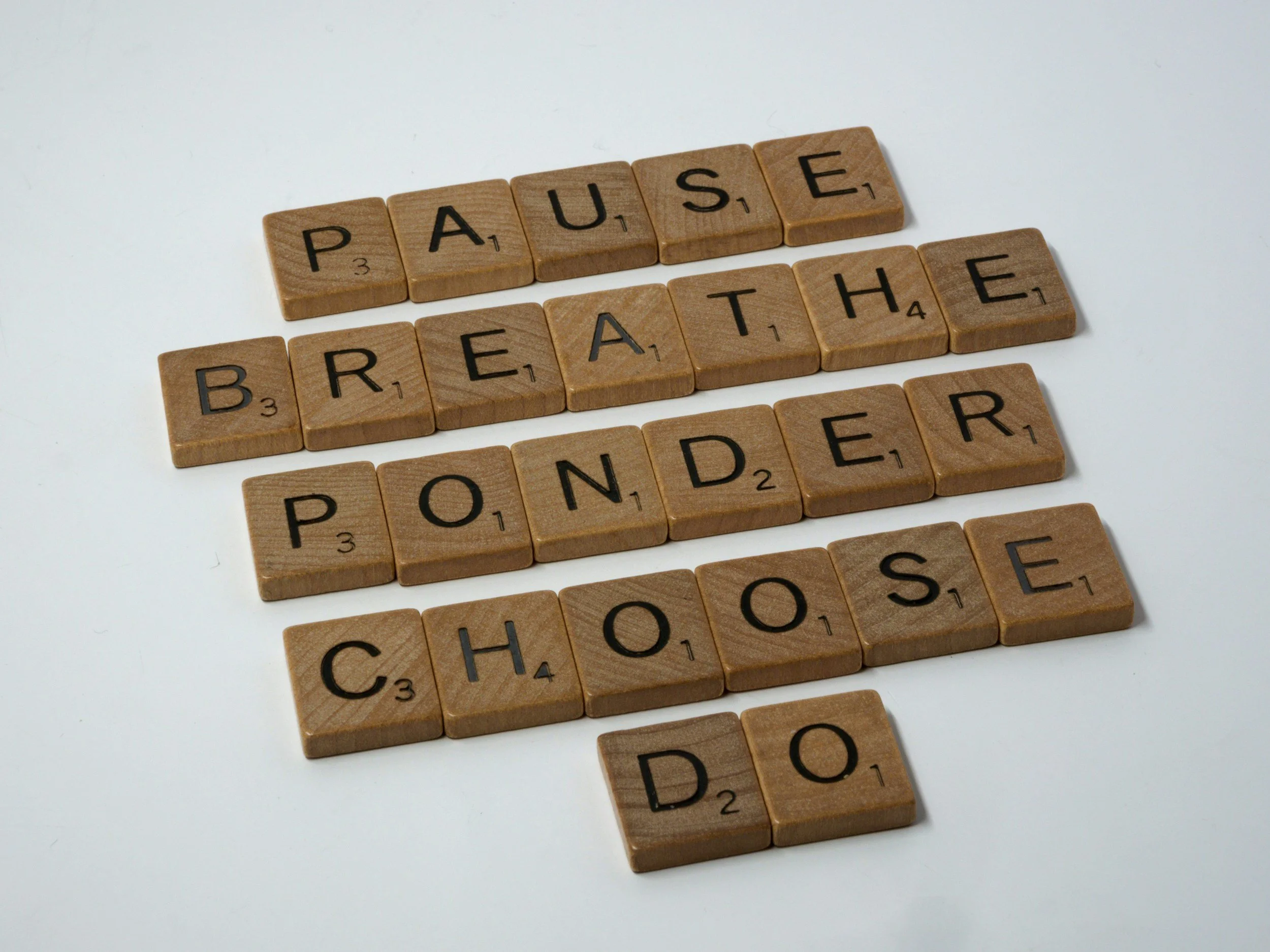
Practicing pausing rather than pushing (OR, if you’re prone to halting, you may want to practice moving and shaking to experience a contrast to what you’re used to!)
Expanding your window of tolerance (a fancy way of saying, the space where you can still feel and think coherently with what’s happening around you, and feel present to yourself and the situation)
Reconnecting with pleasure and vitality
Strengthening boundaries and noticing if/when guilt, shame, etc. arises (important teachers!)
Allowing yourself to receive support (oof! this can be tricky, but we explore this together so you can take it in incrementally)
This is not about becoming less sensitive, but rather developing ways to become more lively, aware, and resourced.
You Don’t Have to Keep Pushing Through
If you are searching for therapy for stress, burnout, overwhelm, or hypersensitivity in Toronto or online in Ontario, I offer a collaborative, embodied approach that honours your limits and your strengths.
Together, we can explore what your moving feeling thinking sensing body is asking for, and move toward greater clarity, steadiness, and aliveness.
Book a consultation or send me an email to explore what therapy can make possible.
Frequently Asked Questions About Stress, Burnout, Overwhelm
What is burnout?
Burnout is a state of emotional, mental, and physical exhaustion caused by prolonged stress. It often includes fatigue, cynicism, reduced motivation, and decreased capacity. You get to qualify yourself based on your own experience - there is no official checklist or test to pass!
How do I know if I’m burned out or just stressed?
Stress typically fluctuates and resolves with rest. Burnout feels persistent and is often accompanied by detachment, depletion, or numbness.
Can therapy help with burnout?
Yes. Therapy can help you understand how stress patterns developed, support bring buoyancy and aliveness back into your system, strengthen boundaries (help you recognize your “no”), and restore vitality.
What causes chronic overwhelm?
Chronic overwhelm can result from sustained stress, relational patterns (such as over-responsibility), trauma history (any adverse experience where you didn’t have sufficient support to integrate the experience), sensory sensitivity, or lack of recovery time.
Can burnout cause anxiety or panic?
Yes. Chronic stress and overstimulation can lead to heightened anxiety, panic symptoms, or feeling generally like your body has it’s own agenda.
Do you offer online therapy for stress and burnout?
Yes. I offer in-person therapy in Toronto and virtual therapy across Ontario. Both modalities provide opportunities to co-create a supportive space for you to talk about and feel into your experience with support.